
Speaking Practice Calculator
Your Personalized Practice Plan
Based on your goals and available time, we'll calculate your ideal speaking practice schedule
Want to speak English fluently but don’t know where to start? You’re not alone. Millions of people around the world are trying to move past textbook English and actually talk like a native speaker. The problem isn’t grammar or vocabulary-it’s practice. You need real conversations, real feedback, and real people who won’t let you hide behind memorized phrases. So which platforms actually work? Not the ones with flashy ads. Not the ones that promise fluency in 30 days. The ones that force you to speak, listen, and adjust-every single day.
It’s Not About Apps, It’s About Accountability
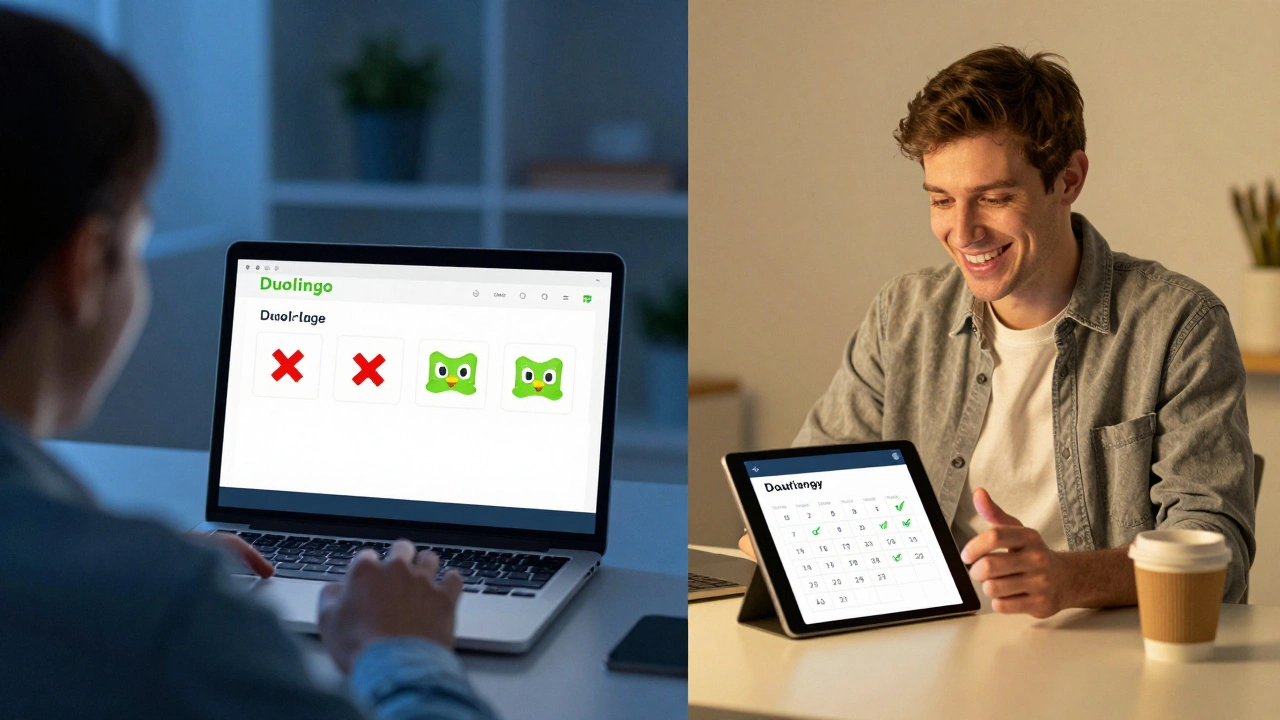
Most language apps give you quizzes, flashcards, and voice recognition that says ‘good job’ even when you say ‘I go to school yesterday.’ That’s not speaking. That’s pretending. Real fluency happens when you’re forced to think on your feet. When you’re talking to someone who doesn’t know you’re a learner. When you mess up and they don’t laugh-they just keep talking.
The best platforms for speaking English don’t just offer lessons. They offer conversations. And not with bots. With real humans.
Preply: Learn from Real Teachers, Not Algorithms
Preply connects you with certified English teachers from around the world. You pick your teacher based on their experience, accent, teaching style, and even their hobbies. Want to learn English with someone who works in tech? Done. Someone who grew up in London and still talks about the weather every morning? Easy.
Each lesson is 50 minutes. You don’t get a script. You don’t get fill-in-the-blank exercises. You get a conversation. Maybe you talk about your weekend. Maybe you argue about the best pizza topping. Maybe you explain how your job works. The teacher listens, corrects, and pushes you. Not with red marks. With questions. ‘Why did you say that?’ ‘Can you say it another way?’
Most users report noticeable improvement in 6-8 weeks. Why? Because they’re speaking 3-4 times a week-not just watching videos or repeating phrases.
italki: The Community That Speaks Back
italki is different. It’s not just teachers. It’s also language partners. You can book a professional tutor for structured lessons, or you can find a native speaker who just wants to chat. For $5-$10 an hour, you can sit down with someone from New York, Sydney, or Nairobi and talk about anything.
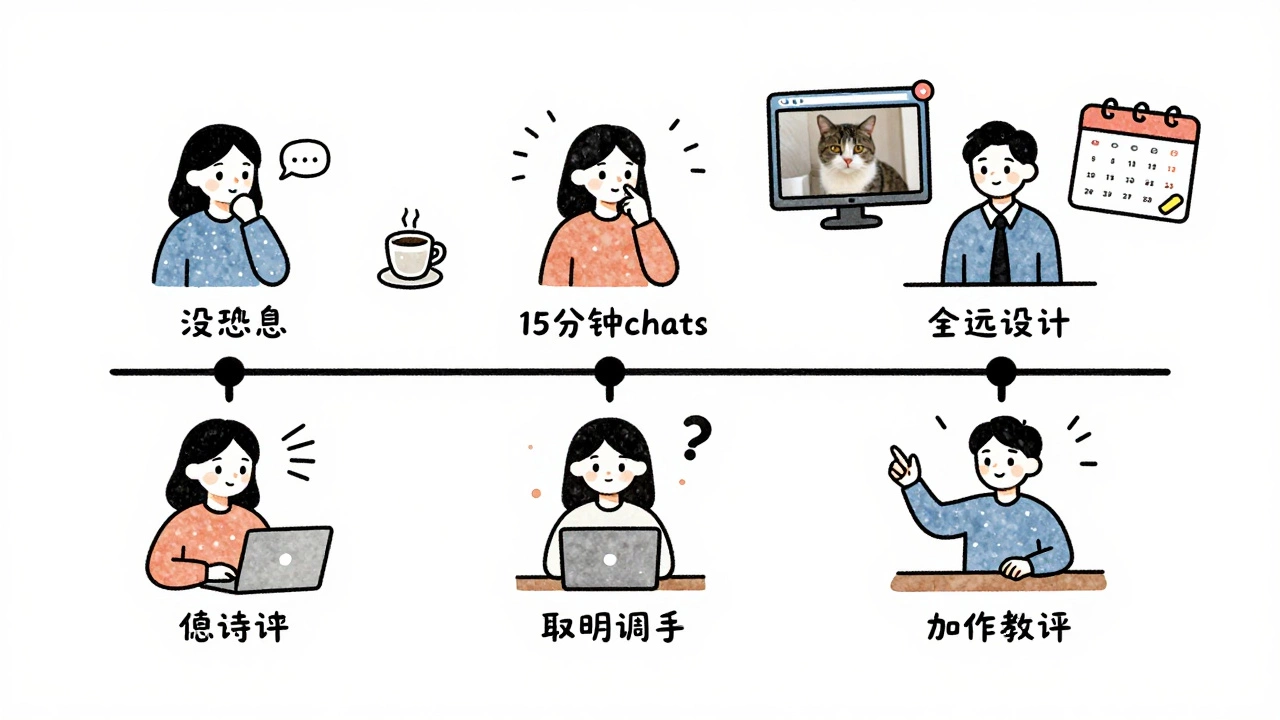
One user, Maria from Brazil, started with 15-minute chats about her cat. Three months later, she was giving a 10-minute presentation in English at her workplace. ‘I didn’t memorize anything,’ she said. ‘I just kept talking. And people kept listening.’
italki’s biggest strength? You’re not graded. You’re not tested. You’re just talking. And that’s where fluency grows.
Speaky: Free Practice, No Pressure
If you’re on a tight budget, Speaky is one of the few platforms that lets you practice English for free-no credit card, no trial period. It’s a language exchange app. You teach someone your native language (say, Spanish or Mandarin), and they teach you English.
You text, voice message, or video chat. No lessons. No curriculum. Just real talk. One user in India started using Speaky to chat with a student in Canada. Within two months, he went from struggling to order coffee to debating climate policy on a Zoom call.
The catch? You have to show up. You have to be consistent. If you only message once a week, you’ll stay stuck. But if you chat daily-even for 15 minutes-you’ll start thinking in English.
Cambly: Talk to Strangers, Not Teachers
Cambly is like having a friendly neighbor who speaks English. You log in, pick a tutor, and start talking. No booking needed. No lesson plan. Just press ‘Connect’ and go.
It’s perfect for people who get nervous in structured lessons. You can talk about your day. Your favorite movie. Your weird dream last night. The tutor doesn’t correct every mistake. They help you clarify. They ask follow-up questions. They make you expand.
One Australian user, James, used Cambly every morning before work. ‘I’d talk about what I ate for breakfast. Then I’d talk about why I chose that food. Then I’d explain how I made it. After a month, I realized I wasn’t thinking in Spanish anymore. I was thinking in English.’
Why These Platforms Work When Others Don’t
Most platforms focus on vocabulary lists, grammar rules, and pronunciation drills. Those things matter-but not as much as you think. Fluency isn’t about knowing 5,000 words. It’s about being able to use 300 words confidently in any situation.
The platforms above succeed because they:
- Force you to speak, not just listen
- Use real people, not AI bots
- Let you talk about your life, not textbook dialogues
- Give feedback that’s helpful, not punishing
- Make consistency easy
There’s no magic formula. No app that turns you fluent overnight. But if you show up, speak up, and keep going-even when it feels awkward-you’ll get there.
What to Avoid
Stay away from platforms that:
- Only offer pre-recorded videos
- Use AI chatbots that repeat your phrases back to you
- Require long-term subscriptions without free trials
- Focus on writing more than speaking
- Promise ‘fluency in 30 days’
These aren’t just ineffective-they’re misleading. Fluency takes time. And it takes real interaction.
How to Start Today
Here’s a simple plan:
- Choose one platform: Preply, italki, Speaky, or Cambly
- Book your first session. Even if it’s just 15 minutes.
- Prepare one topic: Your job, your favorite food, your last vacation.
- Speak. Don’t worry about mistakes.
- Do it again tomorrow.
You don’t need to be perfect. You just need to be consistent.
Real Results, Not Promises
A 2025 study by the University of Sydney tracked 1,200 adult learners using speaking-focused platforms. After six months:
- 78% could hold a 10-minute conversation without pausing to think
- 69% reported increased confidence in social settings
- 52% used English at work or in daily life
The ones who succeeded? They didn’t have the best teachers. They didn’t have the most time. They just showed up. Every day.
Can I become fluent just by using apps like Duolingo or Babbel?
No. Apps like Duolingo and Babbel are great for building vocabulary and basic grammar, but they don’t teach you how to speak. They rely on multiple-choice questions and AI voice recognition that can’t understand natural conversation. Fluency comes from speaking with real people who respond to what you say-not what you’re supposed to say.
How long does it take to speak English fluently?
It depends on how often you practice. Most people who speak 3-4 times a week with real native speakers see major improvement in 3-6 months. Fluency isn’t about memorizing rules-it’s about thinking in English. That takes daily use. If you’re talking for 30 minutes a day, you’ll notice changes in 6-8 weeks.
Do I need to pay for these platforms?
Not all of them. Speaky is completely free and lets you exchange languages with native speakers. Preply and italki have paid tutors, but they also offer free trials and low-cost sessions starting at $5/hour. Cambly has pay-as-you-go pricing with no subscription. You don’t need to spend hundreds-you just need to show up regularly.
What if I’m too shy to speak?
Start small. Use Cambly or Speaky-no booking needed, no pressure. Talk about your pet, your favorite song, or what you had for lunch. Most tutors and language partners have been learners too. They’ve been shy. They know how it feels. The more you talk, the less scary it becomes. Your first 10 conversations will feel awkward. By the 20th, you’ll forget you were nervous.
Should I focus on American or British English?
It doesn’t matter. Both are widely understood. Pick a tutor whose accent you like, or one who speaks the version you’ll use most-like American English if you’re moving to the U.S., or British if you’re studying in the UK. The goal isn’t to sound like a native speaker from one country. It’s to be understood anywhere.
What’s Next?
Don’t wait for the perfect time. Don’t wait until you’re ‘ready.’ Start today. Book a 15-minute session. Talk about your day. Mess up. Laugh. Try again tomorrow. Fluency isn’t a destination. It’s a habit.