CBSE Enrollment India: How It Works and What You Need to Know
When you start preparing for your Class 12 board exams in India, the first real step isn’t studying—it’s CBSE enrollment, the official process through which students register for the Central Board of Secondary Education’s Class 12 exams. Also known as CBSE registration, this step locks you into the exam system, determines your roll number, and connects you to the entire testing pipeline that leads to JEE, NEET, and college admissions. Without this, no matter how much you study, you won’t be able to sit for the exam. It’s not optional. It’s not flexible. And if you miss the deadline, you’re out until next year.
CBSE enrollment isn’t just a form you fill out. It’s tied to your school, your class, and your future. Most students enroll through their school, which acts as the official center for collecting documents, fees, and photos. But if you’re a private candidate—maybe you’re repeating Class 12 or switched boards—you have to apply directly through the CBSE portal. You’ll need your Class 11 marksheet, ID proof, passport-sized photos, and sometimes an affidavit. The board doesn’t accept incomplete applications. No exceptions. And the deadlines? They don’t move. Schools usually start the process in October or November, but the final cut-off is often in December. If you’re waiting until January, you’re already behind.
Why does this matter so much? Because CBSE enrollment, the official gateway to India’s most competitive Class 12 exams. Also known as CBSE registration, it is the first domino in a chain that includes JEE, NEET, and university admissions. The syllabus you’re studying right now? It’s designed to align with the CBSE exam pattern. The model papers you’re practicing? They’re built from past CBSE papers. Even your school’s internal exams are modeled after CBSE’s structure. This isn’t just about passing—it’s about preparing for the real thing. And if you’re thinking about studying abroad later, CBSE is one of the most recognized boards in the US, UK, Canada, and Australia. Your enrollment isn’t just paperwork. It’s your academic passport.
There’s a myth that private candidates have it easier. They don’t. They still have to follow the same rules, pay the same fees, and meet the same deadlines. And they often have to handle everything alone—no teacher reminding them, no school collecting forms, no group chat to check if they missed something. The system doesn’t care if you’re enrolled through a school or applying on your own. It only cares if your paperwork is complete and on time.
What you’ll find below are real, practical posts that cut through the noise. You’ll learn how to fix a failed enrollment, what to do if your school delays your documents, how CBSE enrollment links to JEE eligibility, and why some students get rejected even after paying the fee. These aren’t theory guides. These are the kinds of tips students wish they’d known before it was too late. Whether you’re a parent, a student, or a teacher helping others, this collection gives you the exact steps to avoid the most common enrollment mistakes in India.
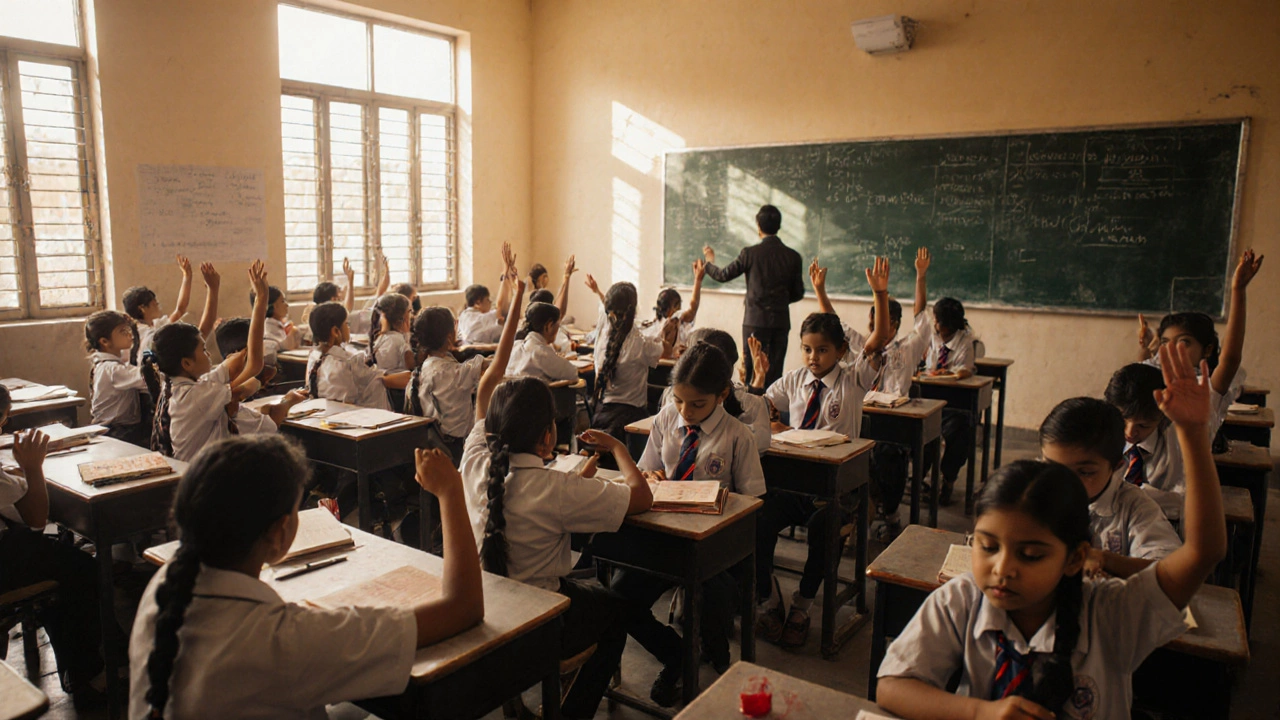
Discover the latest CBSE board enrollment figures in India, with detailed breakdowns by year, region, and comparison to state boards.