Disadvantages of Being Competitive: When Drive Turns Against You
When you're constantly racing to be the best, the disadvantages of being competitive start showing up long before the results do. It's not just about failing a test—it’s about losing sleep, doubting your worth, and feeling like you’re never enough. This isn’t abstract. In India, where exams like IIT JEE and the UPSC Civil Services define futures, students push themselves to extremes. The pressure isn’t just external; it’s built into the system. And when your value is tied to rankings, every score becomes a verdict on your soul.
Competitive pressure, the constant need to outperform others to prove your worth doesn’t just affect students. It shows up in classrooms where teachers measure success by top ranks, in homes where parents compare report cards, and in workplaces where promotions go to the loudest, not the most balanced. Mental health and competition, how relentless striving impacts emotional well-being is no longer a side note—it’s a crisis. Studies show rising anxiety and depression among top-performing students, not because they’re weak, but because the system rewards sacrifice over sustainability. You can’t run a marathon on empty fuel and expect to finish without collapsing.
Burnout from exams, the physical and emotional exhaustion from sustained high-stakes pressure isn’t rare. It’s normal in environments where 12th-grade results decide college admissions, career paths, and even marriage prospects. You study 14 hours a day, skip meals, cancel friendships, and still feel behind. And when you finally reach your goal? There’s no celebration—just the next exam. The cycle never stops. Even when you win, you lose: your peace, your curiosity, your sense of self outside of grades.
And then there’s overachiever syndrome, the habit of pushing beyond healthy limits to prove you’re worthy. It’s not ambition. It’s fear dressed up as dedication. People with this mindset don’t rest because they believe rest equals failure. They don’t ask for help because asking means admitting weakness. But here’s the truth no one tells you: the most successful people aren’t the ones who never quit—they’re the ones who knew when to step back.
What you’ll find in the posts below aren’t theories. They’re real stories and hard facts about what happens when competition becomes a cage. From government jobs that promise security but drain your spirit, to exams that break more minds than they build, this collection doesn’t sugarcoat it. You’ll see how the same system that pushes you to succeed also trains you to hate yourself if you don’t. And more importantly—you’ll see there’s another way.
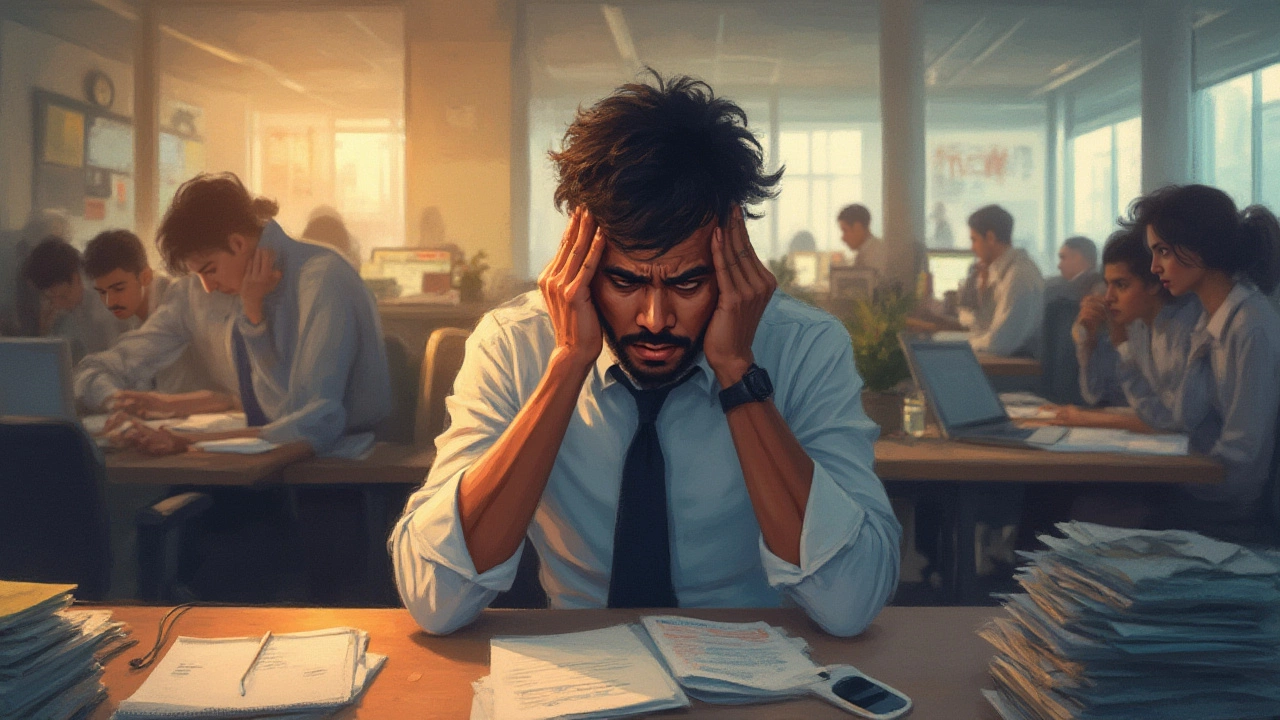
Constant competitiveness might seem like an advantage, but it often comes with emotional costs, unhealthy stress, and strains in work and relationships. Get the real story.