ICSE vs CBSE USA: Key Differences for Students Choosing Between Indian and American Systems
When students and parents compare ICSE, a school board in India known for its English-heavy, literature-focused curriculum with CBSE, the national board that pushes students toward competitive exams like JEE and NEET, they’re not just picking a syllabus—they’re choosing a learning style. And when you add the US education system, a flexible, project-based model that values critical thinking over rote memorization into the mix, the decision gets even more complex. Which one prepares you best for college? Which one actually teaches you how to think, not just recall?
ICSE gives you deeper exposure to English literature, grammar, and project work. It’s the board many families pick if they want their kids to write essays, analyze poetry, and speak confidently in class. CBSE, on the other hand, is built for speed and scale. It’s the path most students take if they’re aiming for engineering or medical colleges in India. The syllabus moves fast, the exams are intense, and the focus is on problem-solving under pressure. Meanwhile, the US system doesn’t have a single national curriculum. Public schools follow state standards, but the overall approach is more about exploration—choosing electives, doing group projects, and building a portfolio. There’s less emphasis on one final exam and more on consistent performance over time.
Here’s the real difference: ICSE and CBSE are both designed to funnel students into high-stakes Indian entrance exams. The US system is designed to prepare you for college applications—where your grades, extracurriculars, essays, and recommendations all matter. If you’re planning to study in the USA, CBSE or ICSE won’t automatically make you a stronger candidate. What matters is how you use your time: did you lead a club? Build something? Write a research paper? The US system doesn’t just test your memory—it tests your initiative. That’s why many Indian students who move to the US after Class 10 or 11 struggle at first. They’re used to being told what to study. In the US, you have to figure it out yourself.
There’s no single ‘best’ system. But if you’re thinking about studying abroad, knowing how these boards stack up against the US model gives you a real edge. You’ll understand what colleges look for, how to frame your background, and where you might need to fill gaps—like public speaking, independent research, or time management. Below, you’ll find real posts that break down exactly how these systems compare, what students actually experience, and how to make the smartest move for your future.
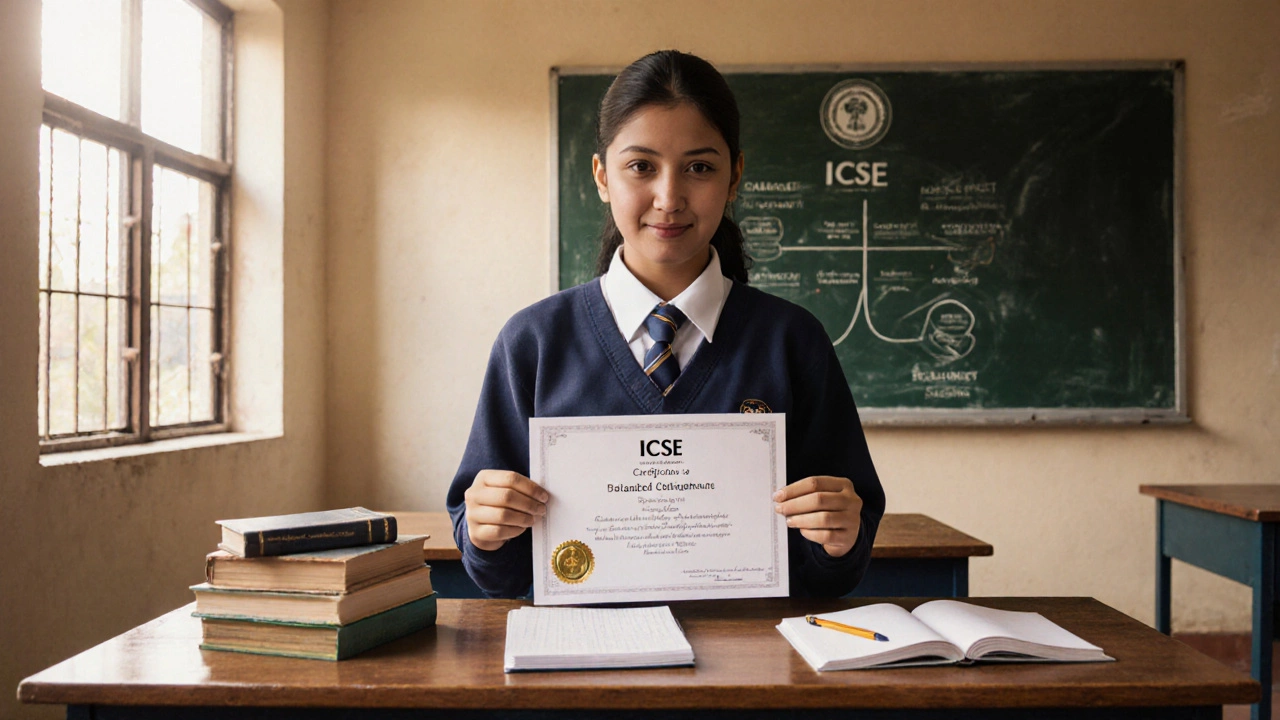
Find out if ICSE is accepted by US colleges, how to get it evaluated, and the steps needed to make your Indian board credentials work for American admissions.