Mental Health and Student Stress: What You Need to Know
When we talk about mental health, the state of your emotional, psychological, and social well-being. Also known as emotional well-being, it affects how you think, feel, and handle pressure—especially during high-stakes exams like the 12th board tests. It’s not just about feeling sad or anxious. It’s about whether you can focus, sleep, stay motivated, and bounce back after a bad test. For students in India preparing for CBSE, ICSE, or state boards, mental health isn’t a side issue—it’s the foundation of every hour you spend studying.
Think about it: you can memorize every formula, but if your mind is exhausted from pulling all-nighters, skipping meals, or worrying about what your parents think, your brain won’t retain it. student stress, the mental strain from academic pressure, family expectations, and fear of failure is real. It shows up as trouble sleeping, irritability, loss of appetite, or even physical headaches. And it’s not just you—studies show over 60% of Indian students report chronic stress during exam season. The problem isn’t the syllabus. It’s the silence around it. Schools rarely teach how to manage pressure. Parents often say, "Just focus on your books," but no one asks how you’re feeling.
That’s where study burnout, a state of emotional and physical exhaustion from prolonged academic pressure comes in. It’s not laziness. It’s your body saying, "I can’t keep going like this." And it’s not something you can out-study. Rest isn’t cheating. Breathing isn’t wasting time. Taking a walk, talking to a friend, or even just sitting quietly for ten minutes helps your brain reset. exam pressure, the intense anxiety tied to performance outcomes in high-stakes tests doesn’t disappear because you want it to. But you can learn to carry it differently.
Below, you’ll find real stories and practical advice from students and teachers who’ve been there. You’ll see how to spot the signs of burnout before it hits. How to talk to your family when you’re overwhelmed. How to build a study schedule that doesn’t destroy your sleep. And how small daily habits—like drinking water, stepping away from your phone, or writing down three good things—can change your whole exam experience. This isn’t about fixing everything overnight. It’s about making your mental health part of your study plan, not an afterthought.
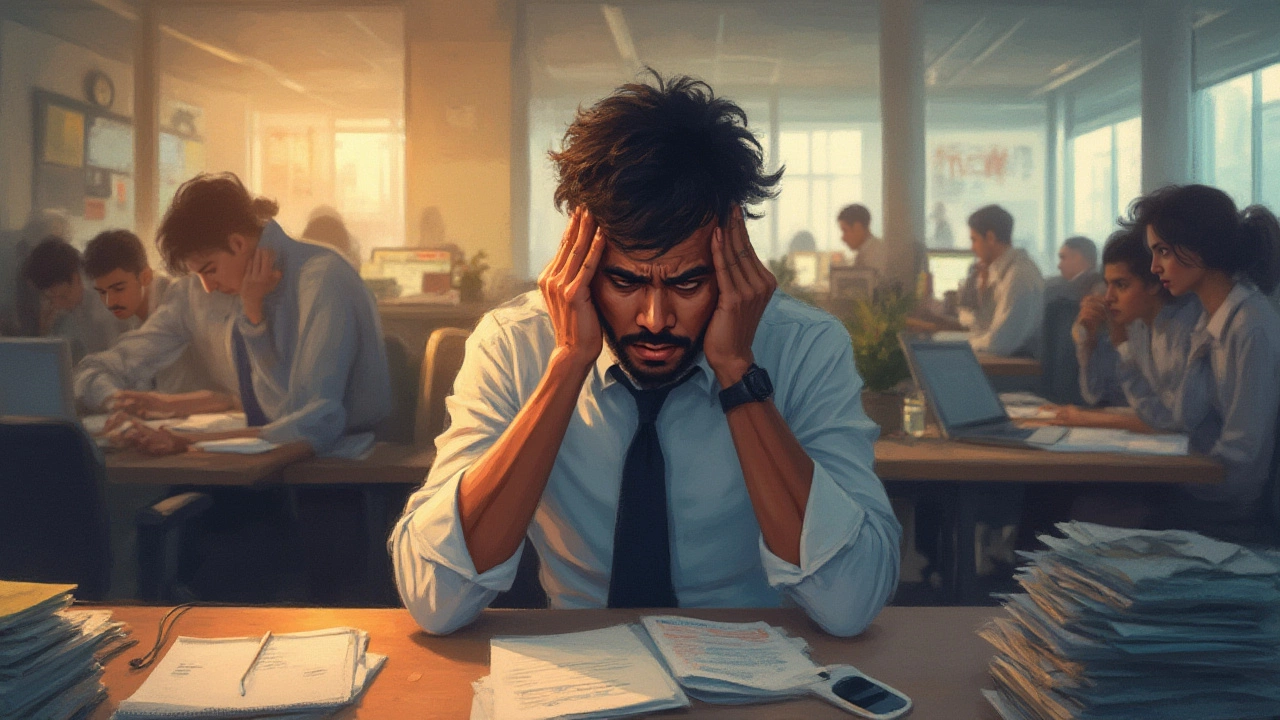
Constant competitiveness might seem like an advantage, but it often comes with emotional costs, unhealthy stress, and strains in work and relationships. Get the real story.