PISA Scores: What They Really Tell You About Education Systems
When you hear PISA scores, a global assessment by the OECD that measures 15-year-olds’ ability to apply math, reading, and science skills to real-world problems. It’s not a test of memorization—it’s a snapshot of how well school systems prepare students for life beyond the classroom. These scores get thrown around in policy debates, news headlines, and parent groups. But what do they actually mean for students, teachers, and families trying to make sense of education?
PISA doesn’t just rank countries—it reveals patterns. Finland used to top the charts not because students studied longer, but because they had less homework, fewer standardized tests, and highly trained teachers. Singapore consistently ranks high because its system focuses on deep understanding, not speed. Meanwhile, countries like the U.S. and India show mixed results: strong performance among top students, but wide gaps among others. These aren’t just numbers—they reflect how resources are distributed, how much support students get at home, and whether schools are built for equity or excellence for a few.
And here’s the thing: PISA scores don’t measure creativity, emotional intelligence, or problem-solving in messy real-life situations. They don’t tell you if a student can work in a team, adapt to change, or stay curious. That’s why some schools in Germany and Canada use PISA data to tweak curriculum—but they also invest in project-based learning, mentorship, and mental health support. Meanwhile, other systems chase higher rankings by pushing kids into endless practice tests, which might boost scores temporarily but burn students out.
If you’re a parent wondering if your child’s school is doing well, look beyond the ranking. Ask: Are students learning how to think, or just how to pass tests? Are teachers supported, or overwhelmed? Is the system helping every kid, or just the ones who already have advantages? The real value of PISA isn’t in the leaderboard—it’s in what it exposes about where education works, and where it’s broken.
Below, you’ll find real discussions about what drives student performance, how different countries approach learning, and why some systems produce high scorers while others struggle to keep up. These aren’t abstract theories—they’re grounded in what’s happening in classrooms, homes, and policy rooms across the world.
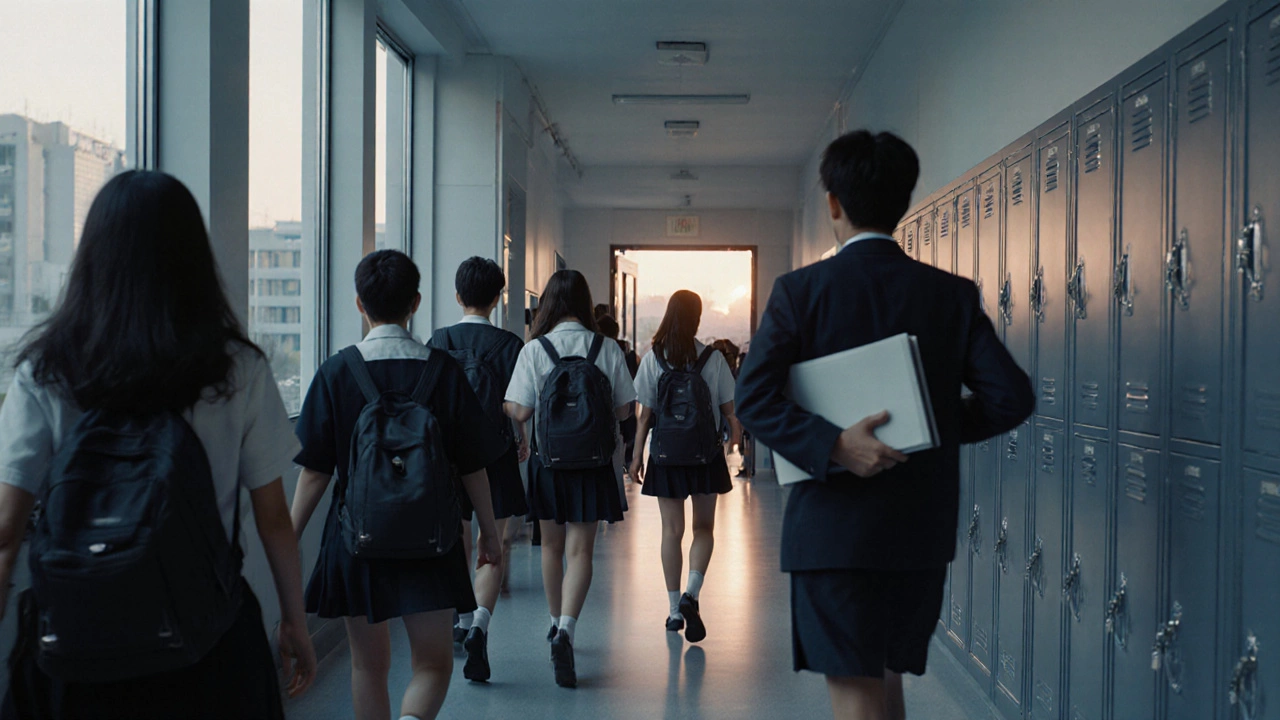
Discover which countries have the toughest education systems, how toughness is measured, and practical tips for students and families navigating high‑pressure schools.