Remote Classes: How Online Learning Works and What You Need to Know
When you take remote classes, a form of education delivered over the internet without requiring physical presence in a classroom. Also known as online learning, it lets students access lessons, assignments, and feedback from anywhere—with just a device and an internet connection. This isn’t just a temporary fix anymore. Millions of students in India, from CBSE to ICSE boards, now rely on remote classes to keep up with syllabi, especially when schools close or exams get delayed.
What makes remote classes work isn’t just the video calls—it’s the e-learning platforms, digital systems that host courses, track progress, and deliver content in standardized formats like SCORM. Also known as learning management systems, they’re the backbone of most online education today. These platforms let teachers upload notes, assign quizzes, and even monitor how long you spend on each lesson. But not all platforms are built the same. Some work great for video lectures, others are better for interactive practice. And if your school uses something like Google Classroom, Moodle, or a state board portal, you’re already using a form of this tech.
Then there’s the virtual classroom, a digital space where teachers and students interact in real time through video, chat, and shared screens. Also known as live online sessions, it’s what turns a passive video into a real class. Think of it like a regular classroom, but online. You raise your hand via chat, get called on, ask questions, and even do group work. But here’s the catch: it only works if you show up on time, have your mic ready, and actually try to participate. No one can see you zoning out—so you have to hold yourself accountable.
Remote classes don’t replace teachers—they just change how they teach. A good teacher now needs to know how to explain math on a whiteboard app, keep a 15-year-old focused through a screen, and still give meaningful feedback without seeing you frown over a tough problem. That’s why some students thrive in remote classes—they get to learn at their own pace, rewind lectures, and revisit tough topics. Others struggle because they miss the structure, the peer pressure, or just the feeling of being in a room full of people working together.
You don’t need fancy gear to make remote classes work. A decent phone, a quiet corner, and a consistent schedule matter more than a $1,000 laptop. Many students in small towns in India are learning just fine with basic Android devices and WhatsApp groups. The real challenge? Staying focused when your room is full of distractions—and when no one’s watching.
That’s why the posts below cover what actually helps: how to study effectively when you’re alone with a screen, which digital tools make a difference, what to avoid, and how to use free resources like YouTube channels and learning platforms to stay ahead. Whether you’re prepping for JEE, improving your English, or just trying to finish your 12th-grade syllabus, the right approach to remote classes can change everything. Let’s get into what works—based on real student experiences and proven methods.
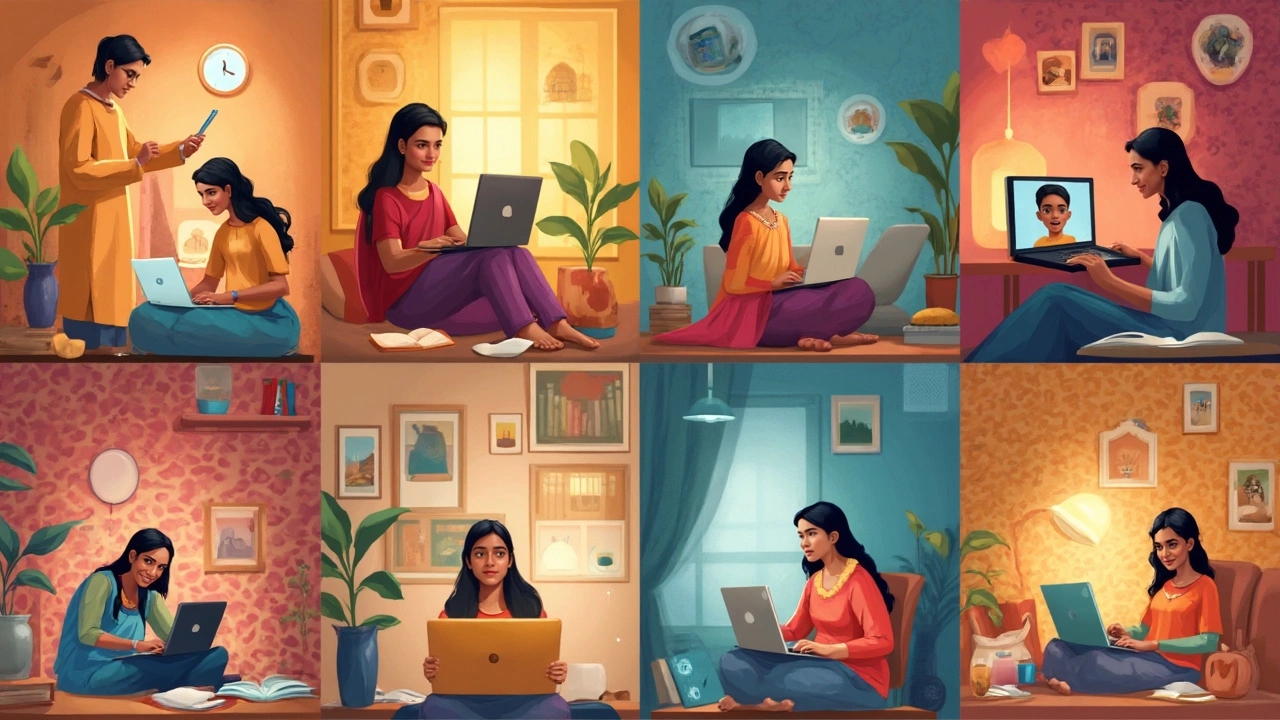
Curious about distance education? This article breaks down exactly what qualifies as distance education today and how it works across different formats. Learn about the tools, platforms, requirements, and even some lesser-known facts that boost your learning experience. Get tips on staying organized and making the most out of online classes. Ideal for anyone thinking about virtual learning or just wanting to know how it really stacks up.