US College Admission for Indian Board Students
When US college admission, the process Indian students go through to enroll in undergraduate programs in the United States. Also known as American university application, it's not just about high scores—it's about showing who you are beyond your board exam results. Thousands of students from CBSE, ICSE, and state boards apply every year, but many get rejected not because they’re not smart, but because they treat the application like a second board exam. US colleges don’t just want top marks—they want curiosity, initiative, and voice.
What do they actually look for? Your CBSE, India’s most widely followed school curriculum, known for its rigorous science and math focus grades matter, but so does how you used your time outside class. Did you start a coding club? Build a robot? Write a blog about climate change in your town? These aren’t extras—they’re proof you think independently. IIT JEE, the notoriously tough engineering entrance exam many Indian students take shows discipline, but US schools already know it’s hard. What they don’t know is how you handled failure, or how you helped a friend study for it. That’s the story that sticks.
Don’t assume your 90% in Class 12 is enough. Top US schools see hundreds of applicants with 95%. What breaks the tie? A personal essay that sounds like you—not a template. A teacher recommendation that mentions your project on solar panels, not just your test rank. A portfolio of art, code, or research that proves you’re more than a number. The truth? Your Indian board background isn’t a disadvantage. It’s a strength—if you frame it right. Below, you’ll find real advice from students who got into Stanford, MIT, and other top schools without an IB or AP background. No fluff. Just what works.
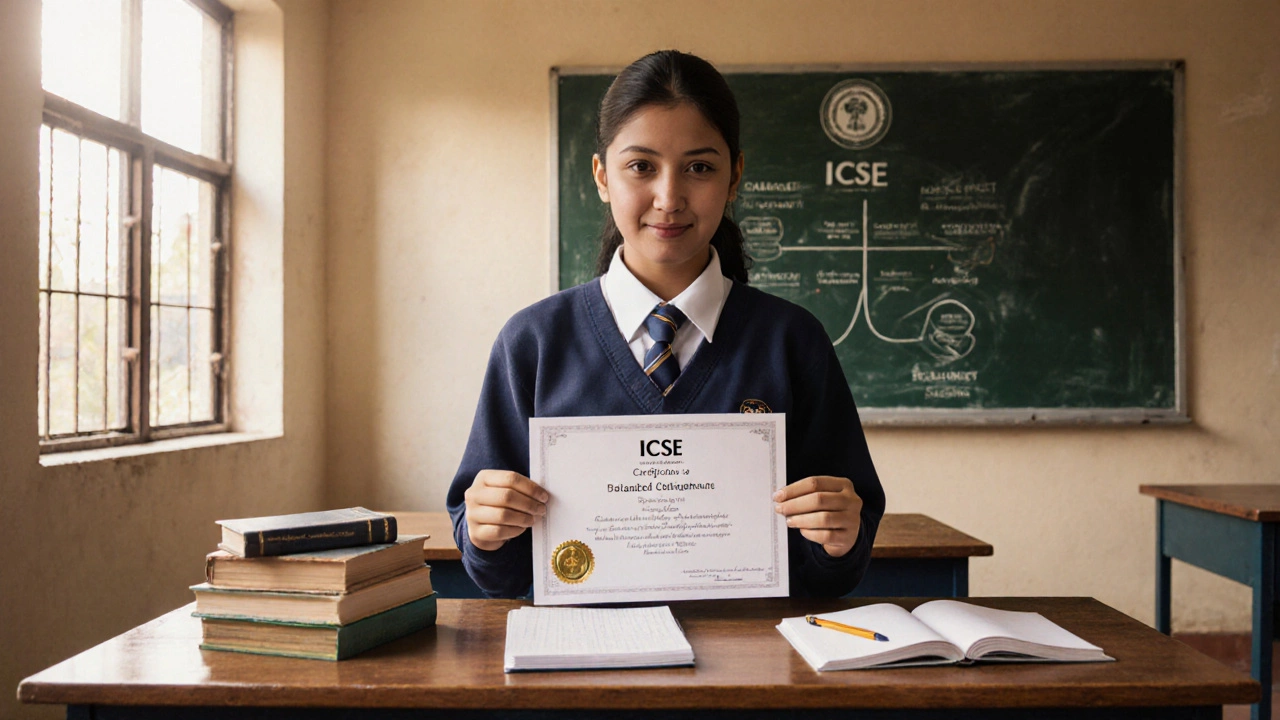
Find out if ICSE is accepted by US colleges, how to get it evaluated, and the steps needed to make your Indian board credentials work for American admissions.