Virtual Classroom: How Online Learning Works for Students and Teachers
When you hear virtual classroom, a digital space where teachers and students interact in real time using video, chat, and shared tools. Also known as a digital classroom, it’s not just a Zoom call—it’s a full learning environment built for remote education. It’s what replaced the chalkboard for millions of students during the pandemic, but it’s still here because it works. You don’t need to be in the same room to solve math problems, debate history, or practice English speaking. All you need is an internet connection and the right platform.
A e-learning platform, a system that hosts courses, tracks progress, and delivers content online makes the virtual classroom possible. Tools like SCORM packages let teachers share lessons that work across different systems, so a lesson made in one app can run on another. That’s why you’ll find the same lessons on school portals, university sites, and even YouTube-based courses. But not all virtual classrooms are the same. Some are live, with real-time Q&A and breakout rooms. Others are self-paced, with videos and quizzes you do on your own schedule. The best ones mix both—giving you structure without locking you into a rigid timetable.
Teachers using a virtual classroom don’t just lecture. They record short clips, post discussion prompts, track who’s falling behind, and give feedback through comments or voice notes. Students aren’t just passive viewers—they’re posting answers, sharing screens during group work, and even teaching each other in peer-led sessions. This shift changes everything: a student in rural India can learn the same IIT JEE prep material as someone in Delhi. A beginner learning English can shadow native speakers on YouTube channels, then join live practice sessions with classmates across time zones.
But it’s not perfect. Poor internet, screen fatigue, and lack of hands-on labs still hold back some learners. That’s why the most effective virtual classrooms don’t try to copy the physical school—they adapt. They use what works: short videos, clear instructions, and real interaction. You’ll find examples of this in posts about teaching English to beginners, learning coding in 3 months, or preparing for competitive exams like UPSC or JEE—all done remotely, with tools that fit real life.
What you’ll see below isn’t just a list of articles. It’s a collection of real strategies, tools, and lessons from people who’ve been there. Whether you’re a student trying to stay focused at home, a teacher building your first online course, or just curious how learning changed after 2020, you’ll find something that clicks.
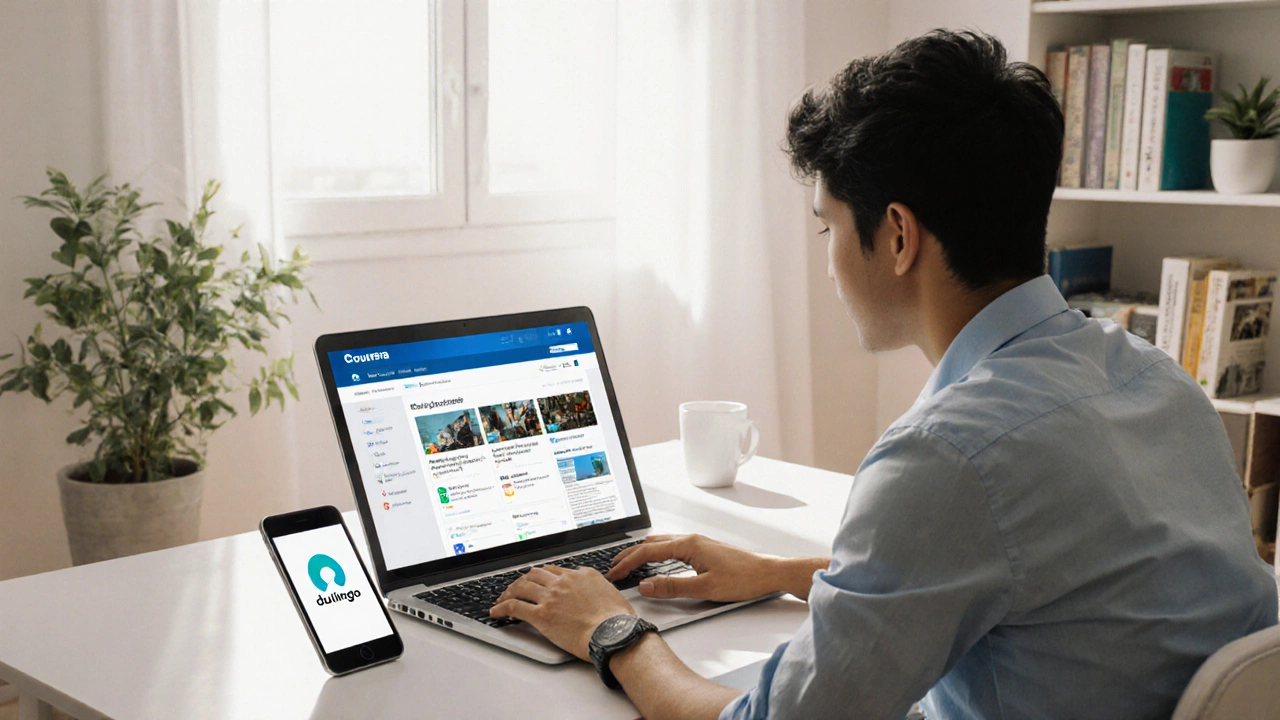
Explore the leading digital learning platforms, from MOOCs to language apps, with features, pricing, and tips to help you pick the perfect tool for your learning goals.

Curious about distance education? This article breaks down exactly what qualifies as distance education today and how it works across different formats. Learn about the tools, platforms, requirements, and even some lesser-known facts that boost your learning experience. Get tips on staying organized and making the most out of online classes. Ideal for anyone thinking about virtual learning or just wanting to know how it really stacks up.

Distance education is way more than just online classes—it's a world where learning comes to you, wherever you are. This article breaks down what actually counts as distance education, how it works, and why it matters. You'll find out how distance learning is changing the lives of students, working parents, and professionals everywhere. There are some surprising facts and helpful tips sprinkled in, too. Whether you're thinking of trying it for yourself or just curious, you'll get a clear picture here.
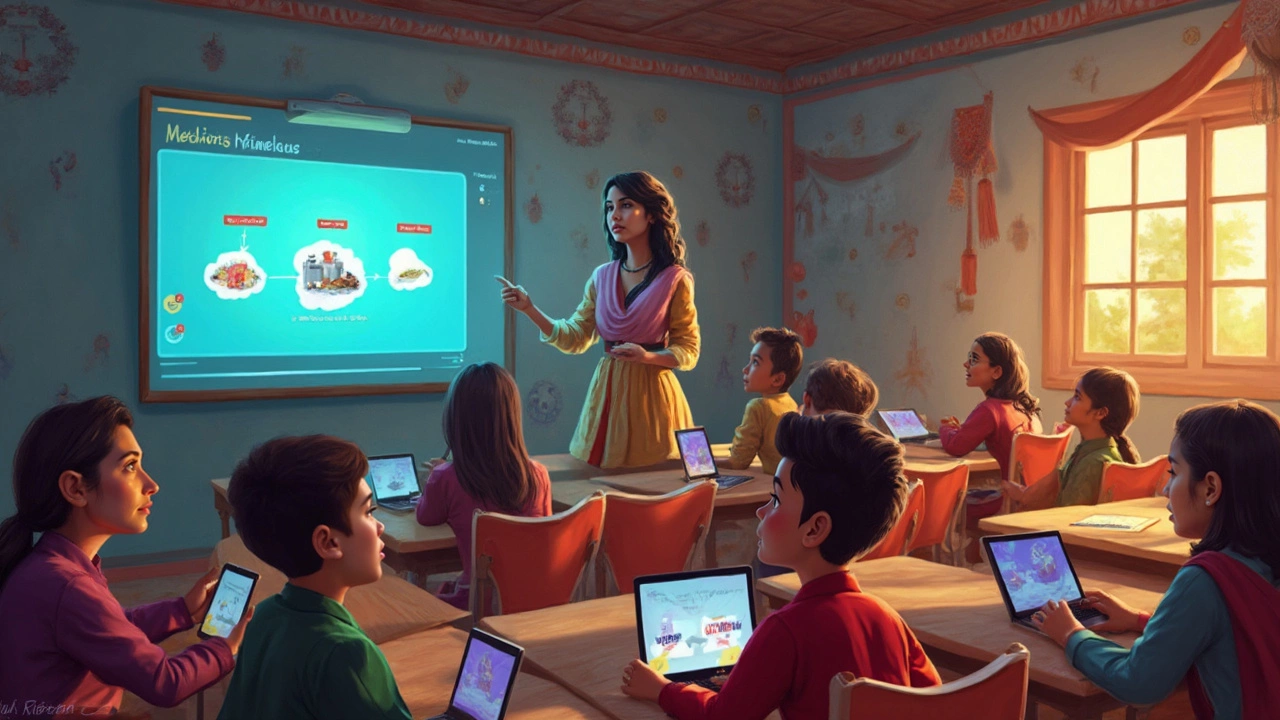
eLearning is transforming the education landscape by offering flexible and accessible ways to learn. Essential ingredients for effective eLearning platforms include user-friendly navigation, engaging content, and robust technical support. With the right tools, students and educators can maximize online learning experiences. Discover key features needed to enhance digital education.