Educational Opportunity Impact Calculator
Key Development Factors
Toggle each factor to see its impact on learning potential
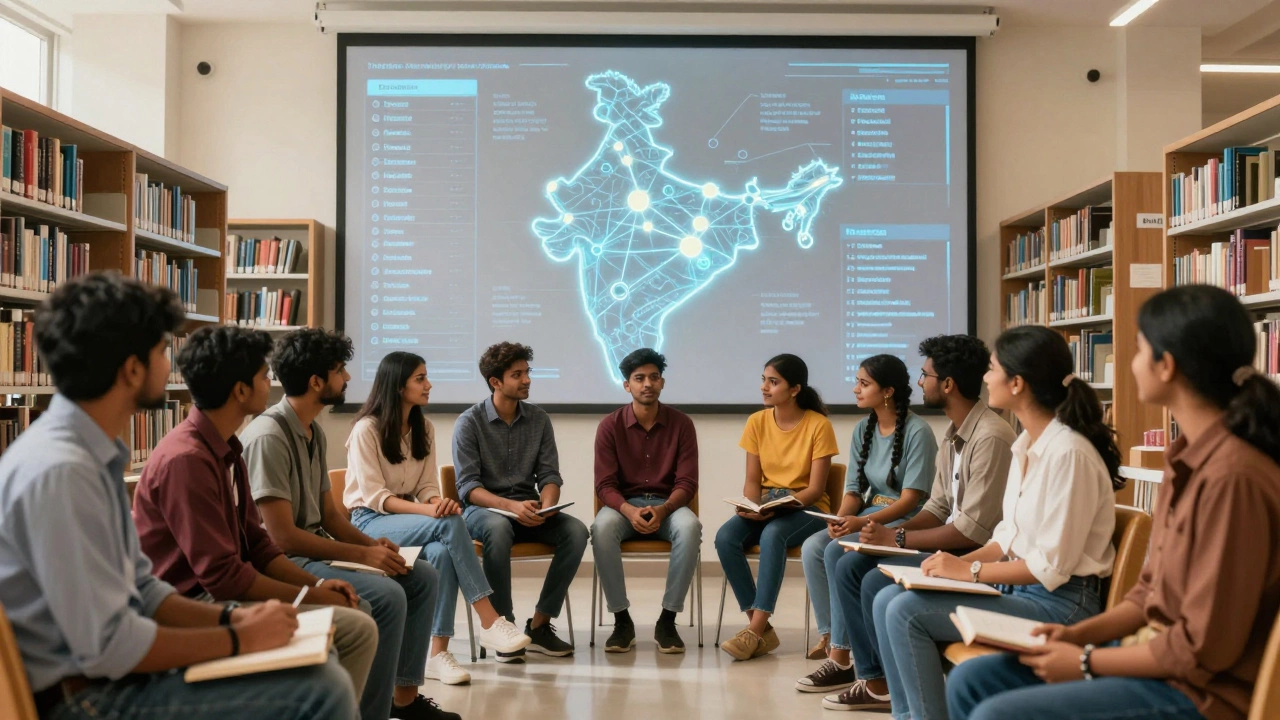
There is a persistent myth that one specific state in India holds the title for the "highest IQ." You might have seen viral charts or social media posts claiming this. The truth is more complex and far less flattering to anyone looking for a simple answer. There is no single, scientifically accepted national database that ranks Indian states by average Intelligence Quotient (IQ) a standardized measure of human intelligence relative to age.
When people ask which state has the highest IQ, they are usually conflating three different things: academic performance in board exams, success in competitive entrance tests like JEE or NEET, and actual psychometric testing results. While certain states dominate exam rankings, this does not automatically translate to higher innate intelligence across the general population. Understanding this distinction is crucial for anyone studying under the CBSE syllabus the curriculum framework followed by Central Board of Secondary Education schools in India or preparing for government jobs.
The Problem with National IQ Rankings
To understand why we cannot name a single "smartest" state, we first need to look at how IQ is measured. Standardized IQ tests, such as the WAIS-IV Wechsler Adult Intelligence Scale, fourth edition, require rigorous standardization against a representative sample of the entire population. In India, such comprehensive, up-to-date national data simply does not exist in the public domain.
Most claims about state-wise IQ come from outdated studies or misinterpreted local surveys. For instance, some older reports suggested that students from southern states performed better on cognitive tasks. However, these studies often suffered from small sample sizes and lacked control for socioeconomic factors. When you adjust for nutrition, healthcare access, and quality of schooling, the so-called "intelligence gap" narrows significantly. This means that what looks like an IQ difference is often just an opportunity difference.
Furthermore, IQ tests are culturally biased. A test designed in the West may not accurately measure the problem-solving skills valued in an Indian context. For example, memorizing vast amounts of text-a skill highly rewarded in many Indian traditional education systems-is not always captured well by Western-style logic puzzles. Therefore, using a single metric to rank diverse states like Kerala, Maharashtra, or Tamil Nadu is scientifically flawed.
Academic Performance vs. Innate Intelligence
If we shift the question from "who has the highest IQ" to "who performs best academically," the picture becomes clearer. States like Kerala a southern Indian state known for high literacy rates and social development indicators, Tamil Nadu a southern state with a strong emphasis on engineering and medical education, and Maharashtra a western state and economic hub of India consistently top the charts in board exam results and university admissions.
Kerala, for example, boasts near-universal literacy and a robust public education system. Students here often score higher in mathematics and science subjects. But does this mean they are inherently smarter than their peers in Bihar or Uttar Pradesh? Not necessarily. It means they have better access to resources. The Human Development Index (HDI) a summary index measuring average achievement in key dimensions of human development correlates strongly with educational outcomes. States with higher HDI scores tend to produce better academic results because children are healthier, better fed, and attend school regularly.
In contrast, states with lower infrastructure investment may struggle with retention rates. A student who drops out due to financial pressure is never given the chance to demonstrate their potential. Thus, low academic averages in certain regions reflect systemic failures, not a lack of raw intelligence. When you provide equal opportunities, the performance gaps shrink dramatically.
The Role of Competitive Exams
Another angle where "state intelligence" is debated is through the lens of competitive exams. The Joint Entrance Examination (JEE) an engineering entrance exam in India for undergraduate programs and National Eligibility cum Entrance Test (NEET) a medical entrance examination in India are fierce battlegrounds. Historically, students from Delhi, Haryana, Punjab, and parts of South India have dominated the top ranks.
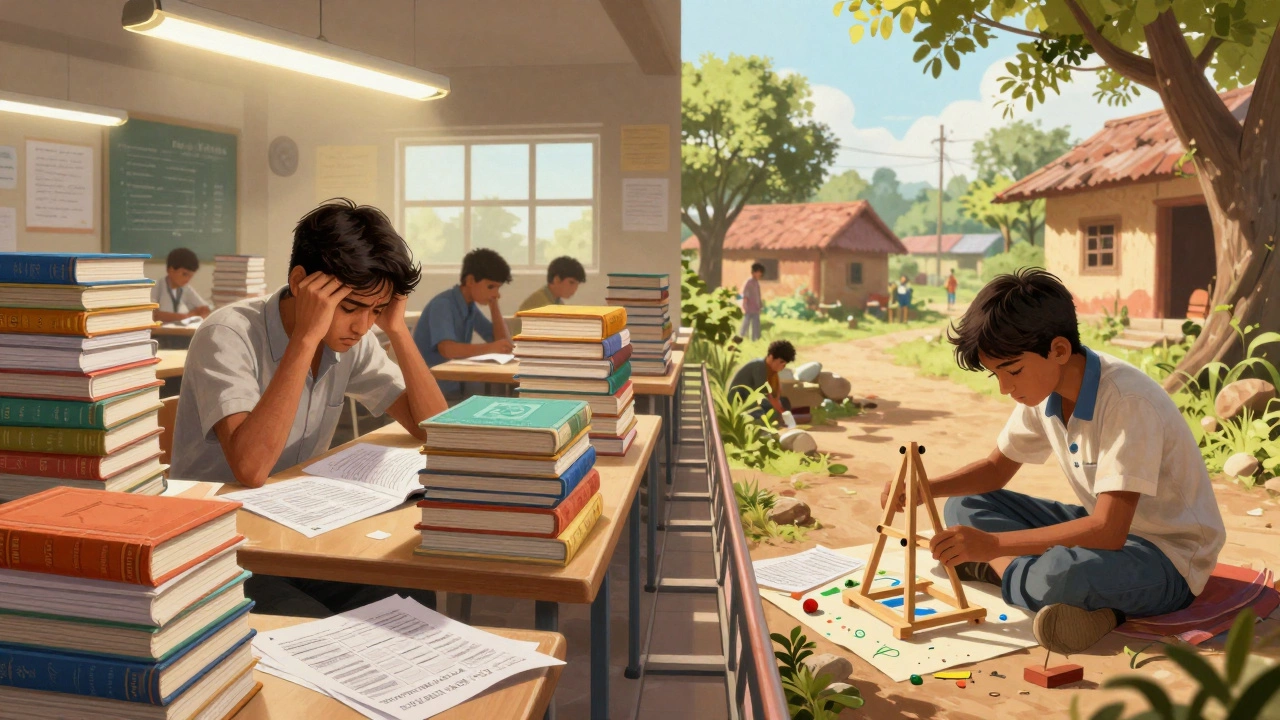
This dominance is often attributed to a culture of intense coaching. In cities like Kota, Rajasthan, entire ecosystems revolve around exam preparation. Students spend 14-16 hours a day solving problems. This grind builds exceptional test-taking skills and subject mastery. However, it also raises questions about burnout and mental health. Is this "high performance" a sign of superior IQ, or is it the result of extreme specialization?
Consider the case of a student from a rural area in Assam who cracks JEE without attending a major coaching center. Their success highlights individual brilliance and resilience. Meanwhile, a student from a metro city might rely on structured guidance. Both paths lead to success, but they tell different stories about how intelligence is nurtured. The CBSE syllabus provides a common baseline, but the intensity of preparation varies wildly across states.
Socioeconomic Factors That Shape Cognitive Development
Let’s get concrete about what actually impacts brain development. Nutrition plays a huge role. Children suffering from malnutrition, particularly iron and iodine deficiency, show lower cognitive scores. States with better mid-day meal schemes and health monitoring tend to see better cognitive outcomes. This is a biological fact, not a cultural one.
Access to technology is another factor. During the pandemic, the digital divide widened. Students in states with good internet infrastructure could continue learning online. Those in remote areas fell behind. This gap affects not just knowledge acquisition but also critical thinking skills developed through interactive learning. As we move into 2026, bridging this digital gap is essential for leveling the playing field.
Parental education levels also matter. Parents with higher education tend to engage more in stimulating activities with their children, such as reading and logical games. This early stimulation boosts neural connections. In states where female literacy is high, like Kerala and Tamil Nadu, this positive cycle is more common. It creates an environment where cognitive potential can be fully realized.
Debunking Regional Stereotypes
Stereotypes persist that northern Indians are less intelligent than southern Indians, or vice versa. These narratives are harmful and inaccurate. They ignore the diversity within each state. For every struggling student in a big city, there is a brilliant mind in a village. For every topper in a metro, there is a student in a tier-3 town working twice as hard.
Take the example of Odisha. Once considered lagging in education metrics, it has made significant strides in recent years. Government initiatives focusing on teacher training and school infrastructure have improved outcomes. Similarly, Gujarat has emerged as a powerhouse in commerce and business acumen. Intelligence manifests in different forms-analytical, creative, practical-and regional stereotypes fail to capture this spectrum.
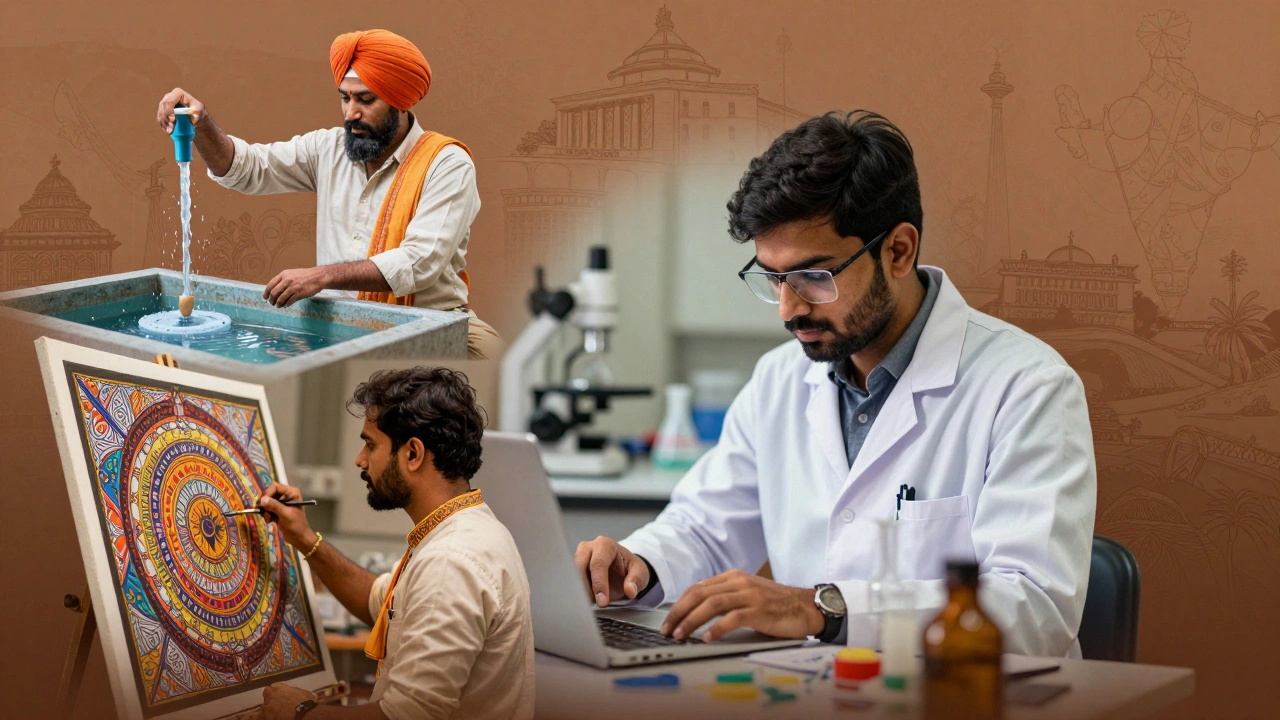
We must stop judging states by narrow metrics. A farmer in Punjab displaying innovative water conservation techniques is demonstrating high practical intelligence. An artist in Bengal creating complex visual narratives shows high creative intelligence. Reducing human potential to a single number is reductive and misleading.
What This Means for CBSE Students
For students following the CBSE curriculum the standardized academic framework used by thousands of schools in India, the takeaway is clear: your state does not define your ceiling. The syllabus is uniform across the country. The difference lies in how you approach it.
Focus on conceptual clarity rather than rote memorization. Engage in active learning. Seek out resources beyond your immediate environment. If you live in a state with fewer coaching centers, use online platforms to bridge the gap. The internet has democratized access to quality education. You don’t need to be in a "top state" to succeed; you need discipline and curiosity.
Moreover, develop soft skills. Communication, teamwork, and adaptability are increasingly important in the modern workforce. These skills are not tied to geography. They are cultivated through experience and mindset. By focusing on holistic growth, you position yourself for success regardless of where you start.
| State | Literacy Rate (%) | Avg. School Attendance | Key Strength |
|---|---|---|---|
| Kerala | 96.2 | High | Public Health & Equity |
| Tamil Nadu | 80.3 | High | Engineering Focus |
| Maharashtra | 82.3 | Medium-High | Diverse Economy |
| Delhi | 86.2 | High | Coaching Infrastructure |
| Bihar | 61.8 | Low-Medium | Resilience & Growth Potential |
Conclusion: Beyond the Numbers
So, which state has the highest IQ in India? The honest answer is that we don’t know, and perhaps we shouldn’t care. Intelligence is multifaceted and deeply influenced by environment. Instead of ranking states, we should focus on improving access to quality education, nutrition, and healthcare for all children.
As you navigate your studies, remember that your potential is not limited by your zip code. With the right strategies and resources, any student can excel. The goal is not to prove who is smartest, but to ensure everyone has the chance to be smart.
Is there official government data on state-wise IQ in India?
No, the Indian government does not publish official state-wise IQ rankings. Data available is mostly related to literacy rates, enrollment, and exam performance, not psychometric intelligence scores.
Why do students from South India perform well in competitive exams?
South Indian states have historically invested heavily in education infrastructure and have a strong culture of valuing technical professions. This leads to better preparation and higher participation in exams like JEE and NEET.
Does nutrition affect IQ scores?
Yes, significantly. Malnutrition during childhood can impair cognitive development. Access to balanced diets and micronutrients like iron and iodine is crucial for optimal brain function.
Can a student from a lower-performing state crack top exams?
Absolutely. Many students from states with lower average scores secure top ranks through self-study, online resources, and sheer determination. Geography is not a barrier to success.
What is the most reliable indicator of a state's educational health?
The Human Development Index (HDI) components-literacy rate, life expectancy, and per capita income-are more reliable indicators than unverified IQ claims. These metrics reflect overall societal investment in human capital.