Virtual Classrooms: How Online Learning Works for Students and Teachers
When you think of a virtual classroom, a digital space where teachers and students interact in real time using video, chat, and shared tools. Also known as a digital classroom, it’s not just a video call—it’s a full learning environment built for remote education. This is where students in rural India join live sessions with teachers in cities, where exam prep happens over Zoom instead of crowded coaching centers, and where study materials are shared instantly through platforms like Google Classroom or Moodle.
Virtual classrooms rely on a few key things: stable internet, clear video tools, and interactive content. They’re powered by e-learning platforms, digital systems that host courses, track progress, and deliver materials, which often use standards like SCORM, a technical format that lets courses work across different systems. These platforms let teachers upload model papers, record explanations, and even quiz students live—all without needing a physical whiteboard. For students preparing for CBSE, ICSE, or state board exams, this means access to high-quality resources even if they’re far from big cities.
It’s not just about watching videos. The best virtual classrooms use real-time feedback, breakout groups for group study, and screen sharing to walk through tough math problems or essay structures. Think of it like being in a physical classroom, but with the ability to pause, rewind, and replay a teacher’s explanation as many times as you need. That’s huge when you’re tackling something like IIT JEE or UPSC prep and need to master one concept before moving on. And with tools like YouTube channels for English learning or coding platforms, students can supplement their live classes with self-paced practice.
But virtual classrooms aren’t perfect. They need discipline. Without a physical school bell, it’s easy to skip class or get distracted. That’s why the most successful students treat their home desk like a real classroom—set a schedule, silence notifications, and show up ready. Teachers who use these tools well don’t just stream lectures; they ask questions, check in with students individually, and give feedback fast. It’s a shift from passive learning to active engagement.
What you’ll find below are real guides on how virtual classrooms actually work—how they’re built, how to use them better, and which tools make the biggest difference for Indian students. Whether you’re a student trying to stay on track or a teacher looking to improve your online lessons, these posts give you the no-fluff truth about what works—and what doesn’t.
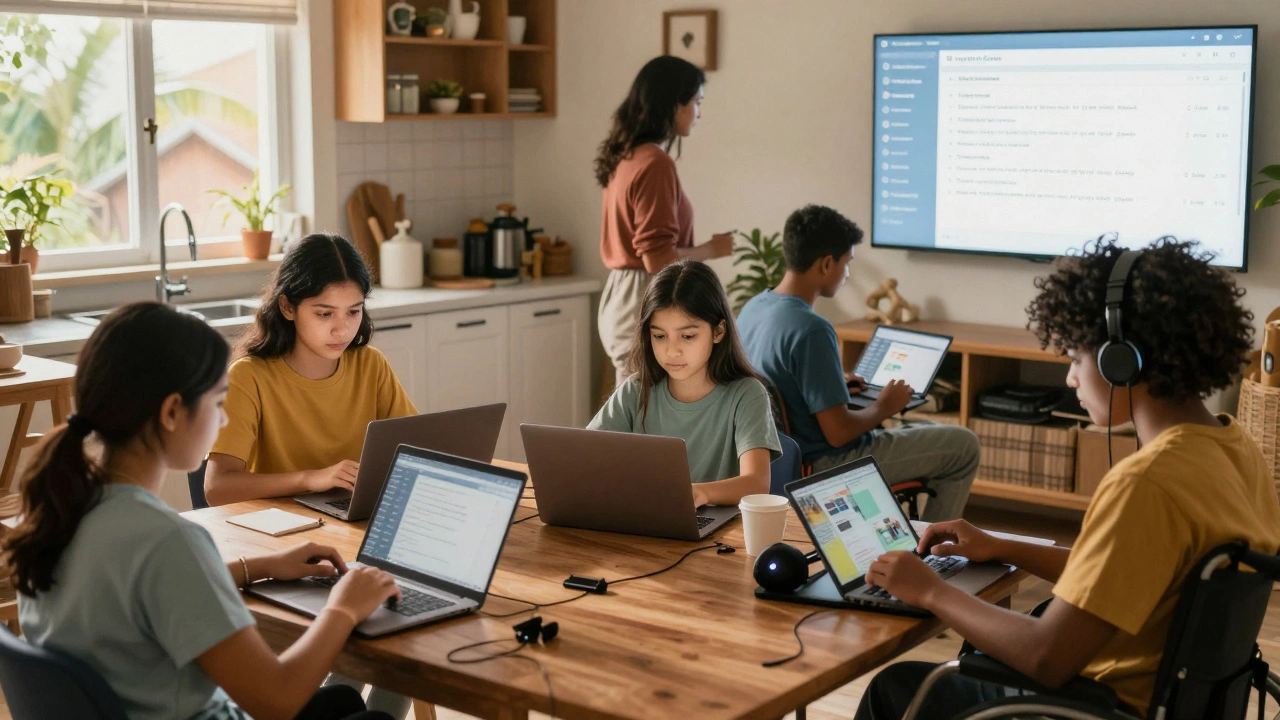
Distance education is a flexible, accredited way to learn remotely through digital platforms. It's used by millions worldwide - from working parents to rural students - and is now fully recognized by employers and universities.

Zoom might be everyone's go-to video conferencing tool, but is it really an eLearning platform? This article explores Zoom's features, compares it with dedicated eLearning platforms, and shares tips on how to best use Zoom for online learning. Dive into how educators have adapted Zoom for teaching and whether it truly measures up to specialized eLearning environments.